































































Primary sources first
Regulatory guidance begins with FMCSA, DOT, IRS and other authoritative public sources.
Independent US trucking guidance
Straightforward guides for owner-operators and small motor carriers on FMCSA compliance, trucking authority, commercial truck insurance, ELD and hours-of-service rules, freight factoring, and operating costs.
Browse by topic
Select the area affecting your business today.
The complete guide library
Start with the requirement, cost or business decision you need to solve. The guides bring together sources, examples, practical checks and relevant tools.
Coverage requirements, federal filings, quote comparisons and insurance decisions affecting operating authority.
Understand the policies, federal minimums and broker expectations that shape a complete owner-operator insurance program.
Read guideSee what drives first-year premiums, which quotes can mislead you and how to budget before activating a new authority.
Read guideSeparate three commonly confused liability coverages and identify which operating situations each one is designed to address.
Read guideEvaluate cargo limits, deductibles, exclusions and claims conditions before relying on a policy to protect a load.
Read guideLearn why the MCS-90 is a public-protection endorsement rather than ordinary insurance coverage for the motor carrier.
Read guideUnderstand how insurers prove financial responsibility to FMCSA and why an insurance certificate alone is not enough.
Read guideSee how limited history, driver risk, equipment and operating plans affect the premium charged to a new carrier.
Read guideCompare limits, exclusions, down payments, filings and total annual cost instead of choosing the lowest headline premium.
Read guidePrepare for commercial truck insurance renewal with loss runs, safety data, driver records, equipment, mileage and comparable quotes.
Read guideCompare trailer interchange coverage, limits, deductibles and common gaps when owner-operators pull trailers they do not own.
Read guideHandle cargo loss or damage with a defensible claim process covering evidence, deadlines, salvage, Carmack and insurance notice.
Read guideProtect tractor value by comparing collision, comprehensive, deductibles, valuation terms and total-loss exposure.
Read guideUSDOT numbers, operating authority, registration updates and the first steps required to start a carrier.
Determine whether the business needs a USDOT Number, operating authority or both before filing the wrong application.
Read guideFollow the full launch sequence from business setup and FMCSA filing to insurance, credentials and active authority.
Read guideLearn who can file a BOC-3, what a process agent does and how this filing affects authority activation.
Read guideCheck whether the business belongs in UCR, select the correct fleet bracket and avoid misleading renewal notices.
Read guideKeep the USDOT record accurate, calculate the biennial deadline and know when an update is required sooner.
Read guideIdentify why authority was revoked, correct the underlying filing problem and verify reinstatement before operating.
Read guideClassify the planned operation correctly and understand when State rules apply alongside federal registration.
Read guideOrganize the first three months around activation, broker onboarding, records, cash flow and New Entrant readiness.
Read guideLearn who needs IRP apportioned plates, how base jurisdiction, cab cards, fees, mileage records, trip permits and renewals work for interstate carriers.
Read guideLearn who must file Form 2290, current HVUT deadlines, tax rates, Schedule 1, mileage suspension, e-filing and used-truck rules.
Read guideUnderstand FMCSA rules for USDOT ownership, operating-authority transfers, corporate acquisitions and prohibited authority rental arrangements.
Read guideCompare lease-on and own-authority operating models across control, compliance, insurance, freight access, cash flow and responsibility.
Read guideSafety audits, driver files, maintenance records and recurring federal compliance obligations.
Build the records and operating controls an investigator is likely to review during the New Entrant period.
Read guideIdentify the high-risk violations that can produce an automatic audit failure and threaten continued operation.
Read guideAssemble the application, license, MVR, medical and review records needed for each regulated driver.
Read guideCreate a vehicle file that connects inspections, defects, repairs and preventive maintenance into one auditable history.
Read guideUse a practical retention map for driver, vehicle, HOS, accident, drug-testing and business records.
Read guideSeparate federally required in-cab documents from trip, State, insurance and company records drivers may also need.
Read guideUnderstand employer, driver and C/TPA responsibilities for registration, queries, consent and violation reporting.
Read guideCompare consortium services, random-pool administration, reporting, contracts and support before enrolling.
Read guideUnderstand CSA scores, FMCSA SMS BASICs, percentiles, intervention thresholds, inspections, DataQs and the 2026 SMS changes small carriers should track.
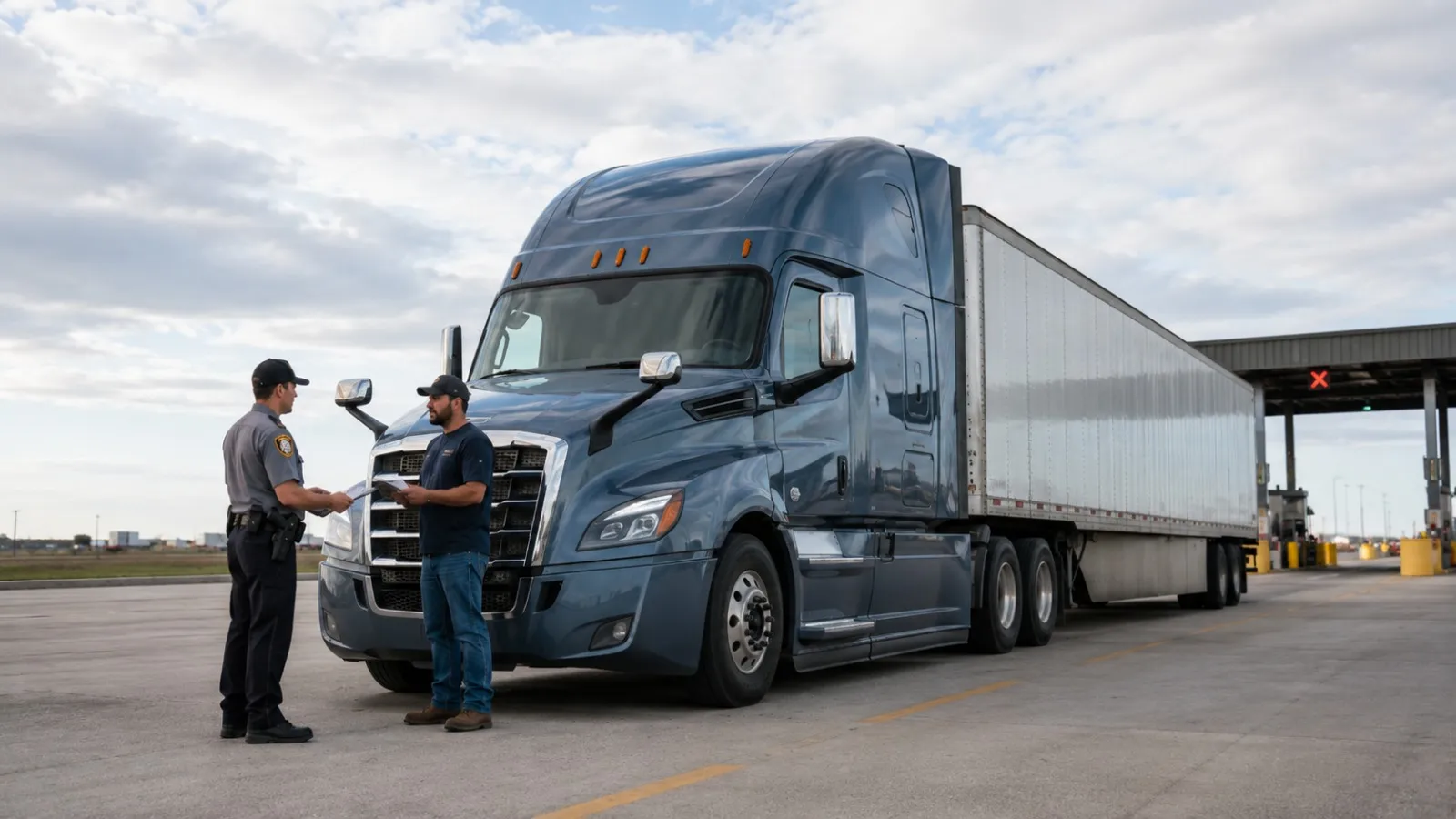
Read guideUnderstand DOT inspection levels, roadside violations, out-of-service orders, inspection reports, CSA impact, DataQs and what carriers must do after a stop.
Read guideChallenge incorrect inspection or crash data with focused evidence, documented adjudications and a properly prepared Request for Data Review.
Read guideDetermine which crashes belong in the federal accident register, record the required fields and control the three-year retention period.
Read guideApply the federal periodic inspection rule, 12-month cycle, 14-month record retention and inspector qualification requirements.
Read guideUnderstand NRII medical certification, CDLIS MVR verification and the temporary 2026 paper medical certificate exemption.
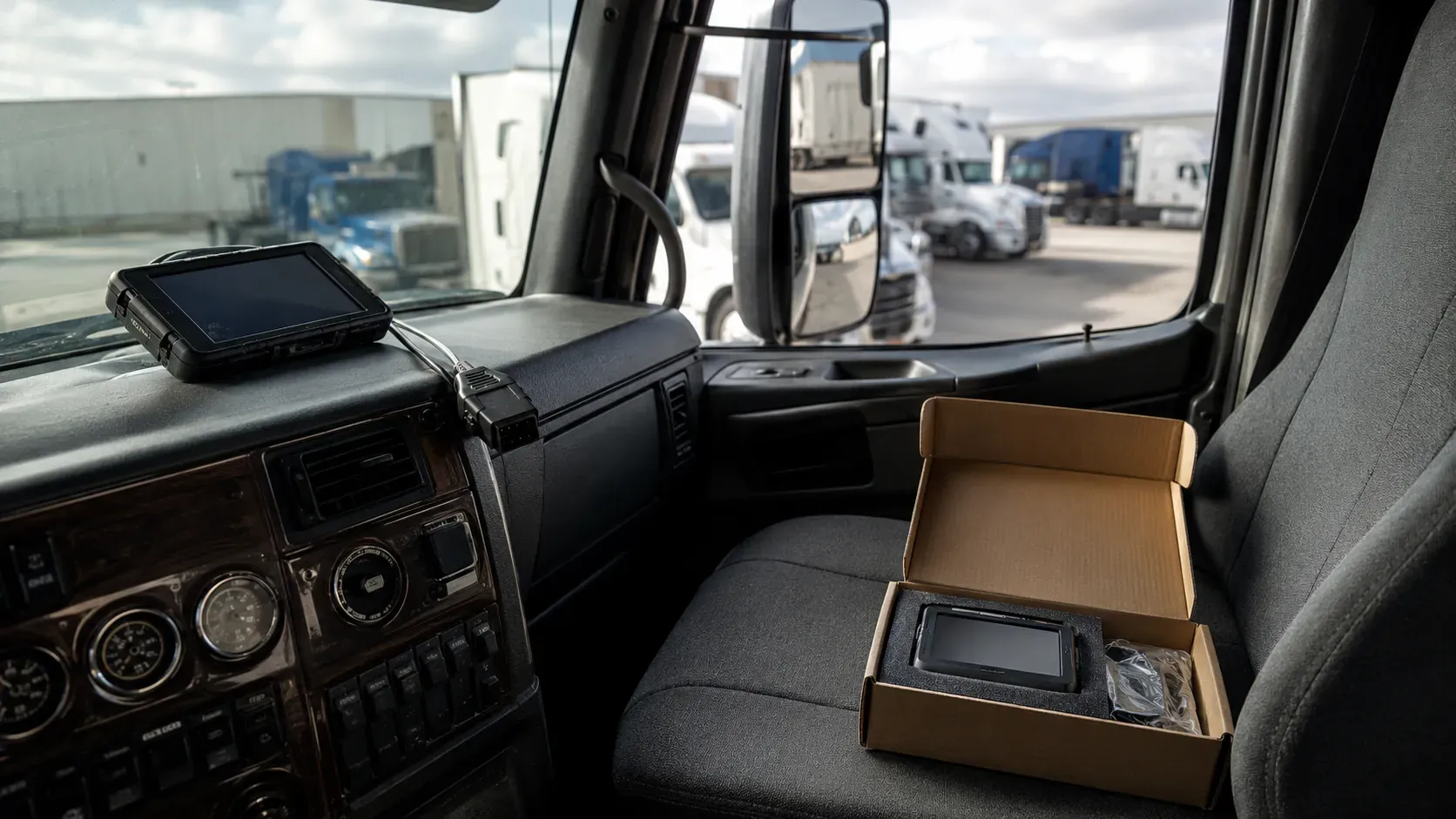
Read guideElectronic logging devices, driving-time limits, exemptions and technology choices for small carriers.
Determine whether the operation requires an ELD and document any short-haul, driveaway or older-engine exemption.
Read guideFollow a controlled replacement process, preserve records and meet FMCSA deadlines after a device is revoked.
Read guideTest roadside usability, support, data exports, hardware and contract flexibility before committing to a device.
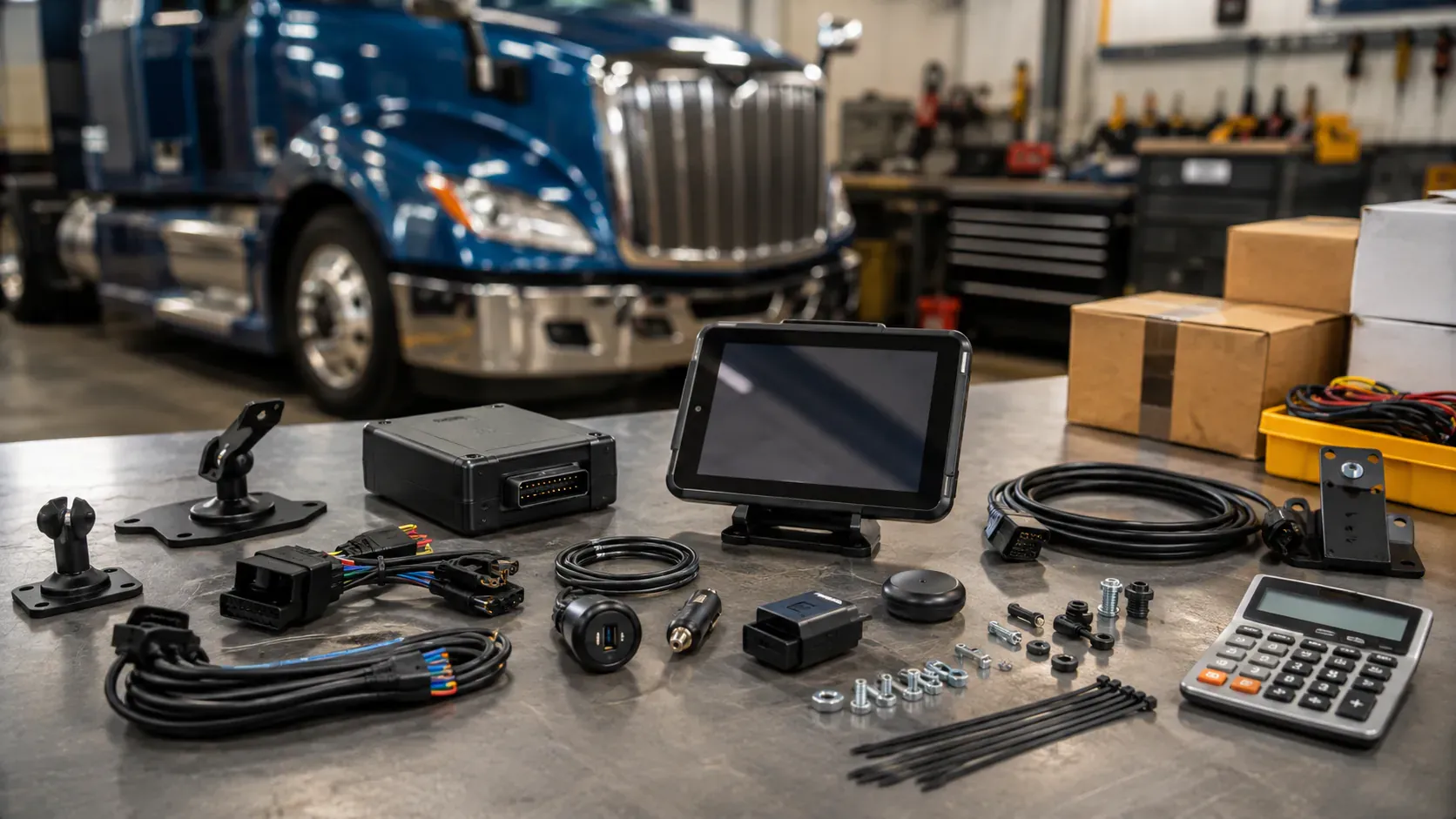
Read guideCalculate total ELD ownership cost across hardware, subscriptions, installation, add-ons, renewal and cancellation.
Read guideUnderstand the two daily clocks, required breaks, weekly limits and the events that do or do not pause time.
Read guideWork through valid and invalid split combinations and see how paired rest periods recalculate available time.
Read guideCalculate rolling 60/70-hour limits, recap hours and the optional 34-hour restart through practical driver examples.
Read guideDistinguish genuinely unforeseen adverse conditions from ordinary delays and document the HOS exception correctly.
Read guideApply FMCSA's commercial-benefit test to parking, commuting, meals, repairs and movement toward the next load.
Read guideChoose between a standalone ELD, specialist tools and an integrated platform based on real operational needs.
Read guideApply the 150-air-mile short-haul exception correctly, including the 14-hour return rule, carrier time records, RODS and ELD transition.
Read guideRespond to an ELD malfunction with the correct driver notice, reconstructed RODS, paper logs, repair deadline and extension process.
Read guideFactoring, fuel cards, financing, startup costs and the economics of operating a trucking business.
Turn rates, advances, reserves, transfer fees and minimums into the actual dollars surrendered on each invoice.
Read guideCompare who bears insolvency, dispute and repurchase risk when a broker or shipper does not pay.
Read guideReview pricing, liens, exclusivity, minimums, renewal, termination and payment redirection before committing.
Read guideCompare final diesel prices, usable network coverage, payment terms, fees, detours and IFTA-quality records.
Read guideCalculate total-mile and loaded-mile break-even after fuel, equipment, labor, deadhead, reserves and overhead.
Read guideBuild a launch budget covering filings, insurance, equipment readiness, credentials and cash before customers pay.
Read guidePrepare the credit, experience, cash-flow and equipment evidence lenders use to underwrite a startup carrier.
Read guideUnderstand qualification, mileage and fuel records, fleet MPG, jurisdiction calculations, filing and audit exposure.
Read guideBuild a broker-ready carrier packet with active authority, insurance, W-9, contracts, banking details and fraud checks.
Read guideVerify freight broker authority, financial security, payment risk, identity, contracts and fraud red flags before accepting a load.
Read guideReview rate confirmations before dispatch: rate, appointments, commodity, detention, TONU, lumper, tracking, payment and load profitability.
Read guideProtect detention, layover and TONU revenue with clear terms, timestamps, written approvals, documentation and collection controls.
Read guideUnderstand BMC-84 and BMC-85, the $75,000 broker security requirement, drawdowns, suspension risk and carrier payment protections.
Read guideBuild a defensible recovery process for unpaid broker freight before escalating to a BMC-84 surety bond or BMC-85 trust claim.
Read guideDetermine when a dispatch service can operate as a carrier's bona fide agent and when its activities may require FMCSA broker authority.
Read guideFree carrier tools
Use the tools to compare operating assumptions, understand the results and explore the relevant business guides.
Calculate the minimum rate your truck must generate.
Estimate startup, insurance and working-capital needs.
See the real cost behind rates, fees and reserves.
Identify the coverage commonly linked to your operation.
Editorial standard
Regulatory guidance begins with FMCSA, DOT, IRS and other authoritative public sources.
Provider claims, verified facts and editorial conclusions are presented separately.
The publication does not present itself as a government agency, broker, law firm or trucking operator.